Facebook 影片筆記
調質工藝五分鐘解析:淬火回火順序與不鏽鋼適用性判斷
原片標題:A Detailed Explanation of the Quenching and Tempering Process: Stainless Steel C
原片說明
A Detailed Explanation of the Quenching and Tempering Process: Stainless Steel Cannot Be Arbitrarily Quenched and Tempered
Yesterday, a colleague suddenly asked me whether stainless steel can undergo quenching and tempering. I realized that many people actually do not understand what quenching and tempering is. Today let’s take an in-depth look at this topic.
What exactly is quenching and tempering?
Simply put, quenching and tempering consists of quenching followed by high-temperature tempering. Both steps are indispensable.
Why must both processes be performed together? Is quenching alone not enough?
Steel that is only quenched becomes extremely hard but very brittle, with high internal stress. It is prone to cracking and cannot be used directly.
What is the purpose of tempering?
Tempering means reheating the quenched steel at a low temperature to release internal stress and improve toughness. It sacrifices a small amount of hardness in exchange for comprehensive properties such as crack resistance and impact resistance.
Can the material properties be adjusted?
Yes! A low tempering temperature yields high hardness and good wear resistance; a high tempering temperature delivers excellent toughness and impact resistance. This is why quenched and tempered steel boasts far better comprehensive performance than materials treated with ordinary heat treatment.
So can stainless steel be quenched and tempered?
It depends on the type. Common austenitic stainless steels such as 304 and 316, as well as ferritic stainless steel 430, cannot be quenched and tempered, because martensite cannot be formed, making the treatment ineffective.
Which types are suitable?
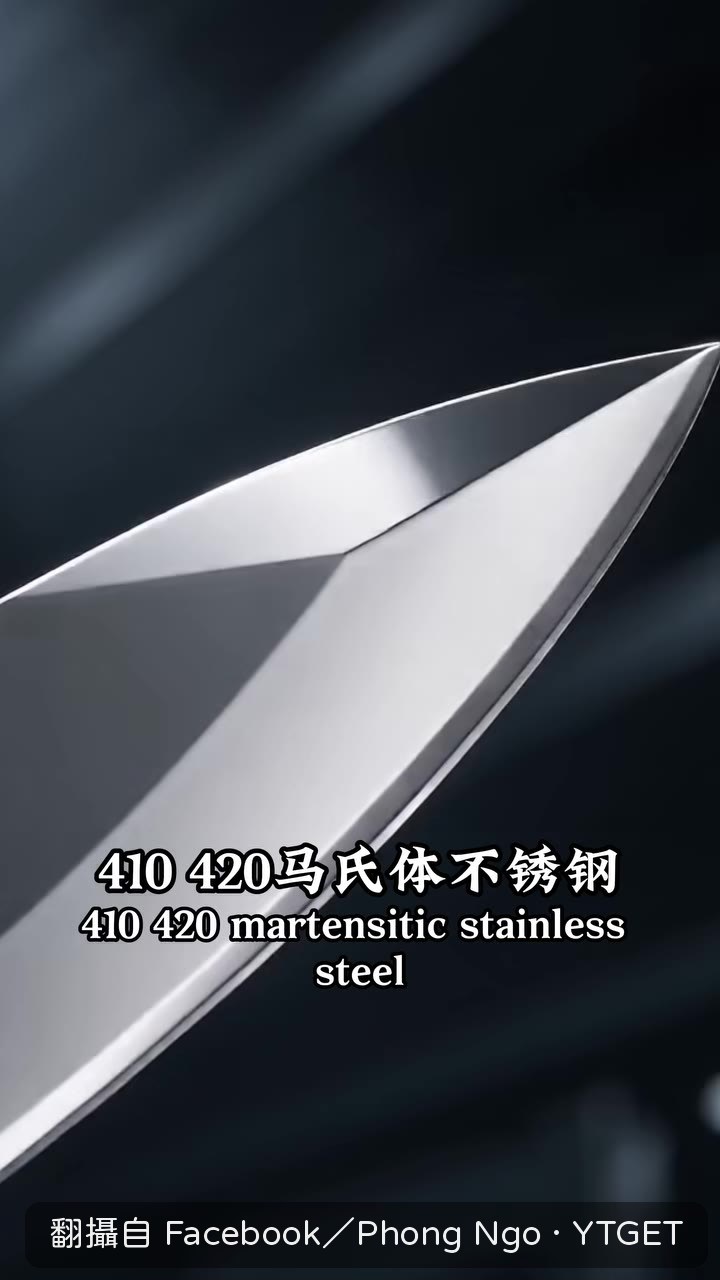
Martensitic stainless steels 410 and 420 can be quenched and tempered. They are the material commonly used for stainless steel cutting tools.
So we can judge whether quenching and tempering is feasible based on the material microstructure?
That’s right. The core of quenching and tempering is to adjust the hardness and toughness of steel to an optimal state, turning a usable material into a high-performance one.
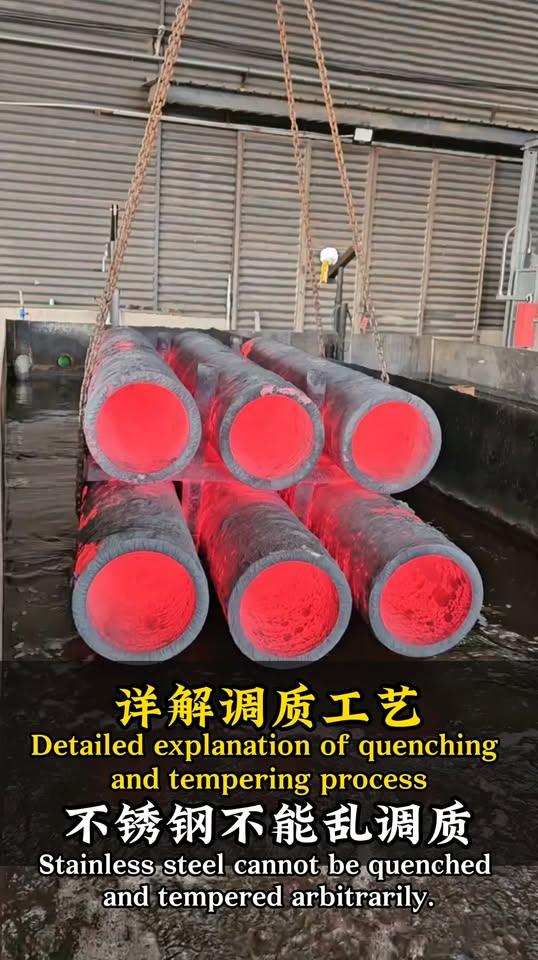
详解调质工艺,不锈钢不能乱调质
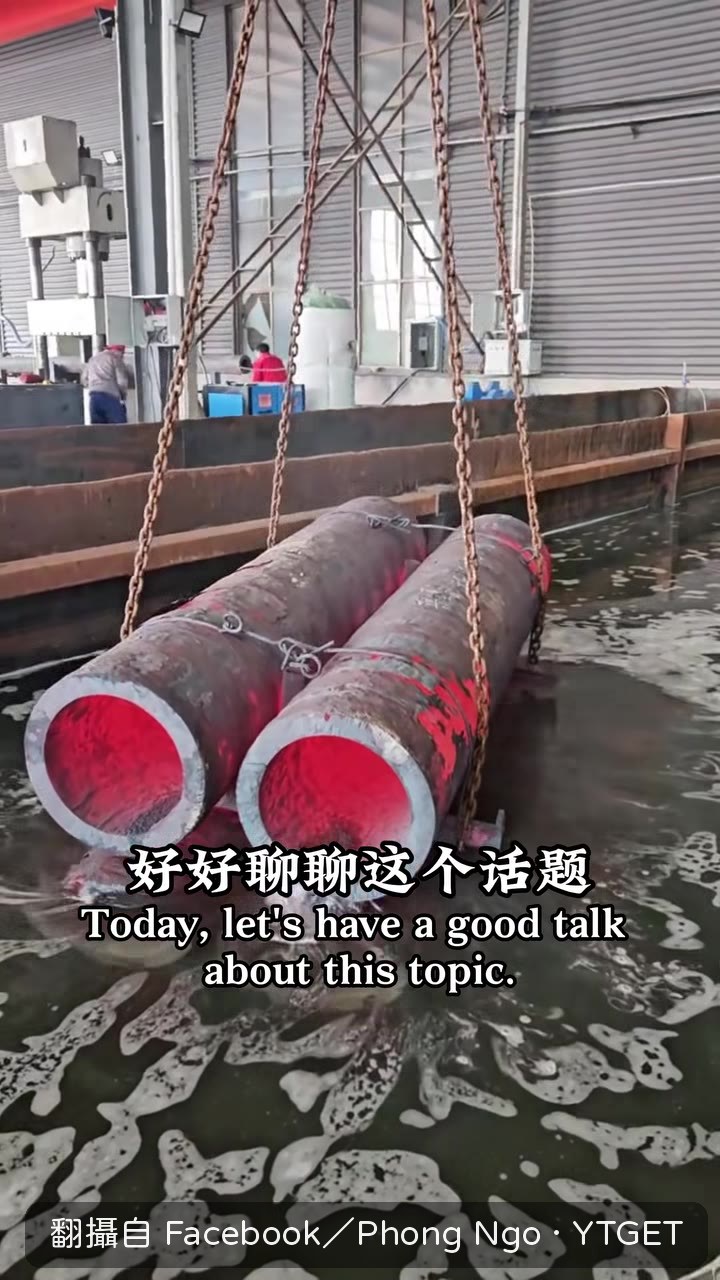
昨天我同事突然问我一个问题,说不锈钢能不能调制。突然发现好多人其实都搞不清调制到底是个啥,今天咱们就来好好聊聊这个话题。
那调质到底是什么?
很简单,调质就是淬火加高温回火,两步缺一不可。
为什么一定要两个工序一起做?只淬火不行吗?
只淬火钢材会变得很硬,但特别脆,内应力很大,容易开裂,根本没法直接用。
那回火是干嘛的?
回火就是把淬火后的钢材重新低温加热,释放内应力、提升韧性。稍微牺牲一点硬度,换来不开裂、耐冲击的综合性能。
性能还能调吗?
可以!回火温度低,硬度高、耐磨;温度高,韧性好、抗冲击。这也是调质综合性能远超普通热处理的原因。
那不锈钢到底能不能调质?
分种类。常见的 304、316 奥氏体不锈钢和 430 铁素体不锈钢都不能调质,淬不出马氏体,做了没用。
哪种可以?
410、420 马氏体不锈钢可以调质,我们常用的不锈刀具就是它。
所以能不能调质,看材质组织就行?
对,调质的核心,就是把钢材的硬度和韧性调到最佳状态,让材料从能用变好用。#模具钢 #模具 #steel
我以為調質就是把鋼材拿去加熱再泡冷水,結果同事一問才發現,淬火跟回火根本是兩件事,而且不鏽鋼還分能不能調質。這支影片用五分鐘把調質講得清清楚楚,看完你會比一堆老師傅還懂鋼材。
- 00:00同事突然問不鏽鋼能不能調質
- 00:10解釋調質是淬火加高溫回火
- 00:17只淬火會太脆、內應力大,容易開裂
- 00:24回火是低溫加熱,釋放應力、提升韌性
- 00:43304、316、430不鏽鋼不能調質
- 00:55410、420馬氏體不鏽鋼可以調質
同事問錯的那個字
Phong Ngo 開頭就說同事問他「不鎖鋼能不能調製」,他一聽才發現很多人根本搞不清楚調質是什麼。其實調質就是淬火加高溫回火,兩個步驟缺一不可。只淬火會讓鋼材變硬但很脆,內應力大到容易開裂,根本不能用,所以一定要靠回火把韌性補回來。
回火溫度怎麼選
回火溫度低,硬度高、耐磨;溫度高,韌性好、抗衝擊。所以調質的強項就是可以依照需求調整硬度跟韌性的比例,綜合效能比普通熱處理好很多。這一段講得很快,但重點就是:想要硬就低溫回火,想要耐撞就高溫回火。
不鏽鋼不是都能調質
304、316奧氏體不鏽鋼跟430鐵素體不鏽鋼都不能調質,因為淬不出馬氏體,做了等於白做。只有410、420這種馬氏體不鏽鋼可以,我們常用的不鏽刀具就是這種材料。所以判斷能不能調質,看材質組織就知道。
值得下載嗎:值得,五分鐘把調質的原理、流程跟適用材料講完,比翻課本快多了,做金屬加工或模具相關工作的人可以直接存起來當參考。
覺得這篇筆記有幫助嗎?